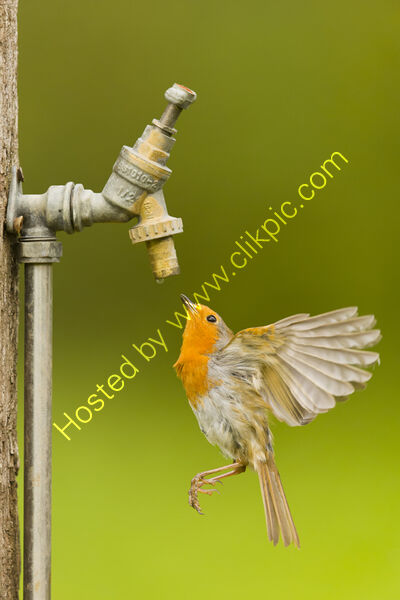
Birds of Prey in changing seasons
Birds of Prey in changing seasons, Suffolk
This will be a small group photography workshop working with a private bird of prey collection in the heart of the Suffolk countryside. It is designed for competent photographers wishing to take images of native raptors and owls within their habitats although photography advice will be available throughout.
Each date will coincide with a natural feature of the countryside as a backdrop to the subject.
Depending on the season possibilities include Tawny owl perched on a stump among bluebells, Barn owl on fence post among poppies, Goshawk among flowering heather, Kestrel perched among autumn leaves.
It is expected to have at least 5 different species placed in a variety of locations throughout each day, offering a total of 10-20 photo sessions which may include flights as well as statics.
The subjects will be positioned for a 'wild' looking image.
Whatever the season we will try to get the most from the natural features of the countryside for some stunning shots of some of the UK's most photogenic birds.
Cost: £120 per person
9 am - 3 pm approx.
Exact dates will be announced nearer the time of each workshop but are likely to be mid May for bluebells, end June for poppies, early September for flowering heather and end October for autumn leaves. Please register your interest via the Contact Me page and I will contact you when setting dates.
Equipment: Most if not all of the birds will allow a reasonably close approach so a lens of minimum 300mm is suitable although something like a 100-400 mm zoom lens is ideal as it allows a variety of shots without having to move position too much. You should then be able to obtain close ups and environmental images with ease.
Personally I prefer to use my 600mm as it gets me out of the way of my clients and I can keep an eye on everyone else to make sure all are happy, so if you have one of these you are welcome to keep me company at the back.
A tripod is useful, not only for keeping the camera steady but also allowing you to comfortably keep the camera in position, and therefore being ready at the vital time, whilst you are waiting for the bird to look in the direction you prefer.
This will be a small group photography workshop working with a private bird of prey collection in the heart of the Suffolk countryside. It is designed for competent photographers wishing to take images of native raptors and owls within their habitats although photography advice will be available throughout.
Each date will coincide with a natural feature of the countryside as a backdrop to the subject.
Depending on the season possibilities include Tawny owl perched on a stump among bluebells, Barn owl on fence post among poppies, Goshawk among flowering heather, Kestrel perched among autumn leaves.
It is expected to have at least 5 different species placed in a variety of locations throughout each day, offering a total of 10-20 photo sessions which may include flights as well as statics.
The subjects will be positioned for a 'wild' looking image.
Whatever the season we will try to get the most from the natural features of the countryside for some stunning shots of some of the UK's most photogenic birds.
Cost: £120 per person
9 am - 3 pm approx.
Exact dates will be announced nearer the time of each workshop but are likely to be mid May for bluebells, end June for poppies, early September for flowering heather and end October for autumn leaves. Please register your interest via the Contact Me page and I will contact you when setting dates.
Equipment: Most if not all of the birds will allow a reasonably close approach so a lens of minimum 300mm is suitable although something like a 100-400 mm zoom lens is ideal as it allows a variety of shots without having to move position too much. You should then be able to obtain close ups and environmental images with ease.
Personally I prefer to use my 600mm as it gets me out of the way of my clients and I can keep an eye on everyone else to make sure all are happy, so if you have one of these you are welcome to keep me company at the back.
A tripod is useful, not only for keeping the camera steady but also allowing you to comfortably keep the camera in position, and therefore being ready at the vital time, whilst you are waiting for the bird to look in the direction you prefer.

Tawny owl

Tawny owl

Tawny owl

Tawny owl

Barn owl

Buzzard

Common Buzzard

Kestrel

Barn owl

Goshawk
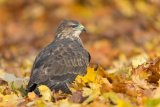
Buzzard

Goshawk

Tawny owl

Kestrel

Barn owl

Goshawk

Barn owl

Barn owl

Peregrine

Eagle owl

Buzzard

Tawny owl

Tawny owl

Tawny owl

Barn owl

Barn owl

Tawny owl

Barn owl

Kestrel

Tawny owl

Barn owl

Peregrine

Sparrowhawk

Barn owl

Kestrel

Tawny owl

Tawny owl

Kestrel

peregrine

Kestrel

tawny owl

barn owl

Golden eagle

tawny owl

Tawny owl

Tawny owl

Tawny owl

Tawny owl

Barn owl

Barn owl

Barn owl

Goshawk

Tawny owl

Common buzzard